Franz Schreker Chamber Symphony
Kammersinphonie by Franz Schreker played by Camerata Academic Salzberg and Franz Welser-Most

Kammersinphonie by Franz Schreker played by Camerata Academic Salzberg and Franz Welser-Most
Erich Korngold – Concerto for Violin and Orchestra, op.35. Ulf Hoelscher, Willy Mattes and the Radio Symphonieorchester Stuttgart
So it is ‘pre-interview’ season…the time when basic physician trainees who have done their Part 1 exam come looking for advanced training positions. Finally somebody asked me what to do at the interview. So in the interest of equal opportunity here are my tips:
(1) Fill out the application form correctly. Spelling errors show a lack of attention to detail.
(2) Nominate recent referees and let them know or ask their permission for the nomination. Not having recent referees suggests that there might have been a problem. Ideally nominate somebody in the specialty you are applying for.
(3) Actually know what the job description is and if you are applying for a specific organization know what is special about that organization.
(4) Make yourself different to the other candidates: set yourself apart. Most registrars have similar levels of experience and training so the interviewers want to know what makes you different from the others. Everybody has passed the exam and has a suit. And, note to candidates…..absolutely every interviewee for the last 20 years has sent …”this is a really exciting time in oncology with lots of new treatments and opportunities for research”. It’s time to come up with something different.
(5) Ask the interviewers to repeat the question if you didn’t get it the first time: this will give you time to think.
(6) Use examples from your own experience: the interviewers want to know how you specifically deal with problems and being able to use your own experience makes it more than hypothetical.
(7) Find an opportunity to talk about your special skills. It doesn’t matter what they are. Let’s say in your spare time you are a concert pianist……this shows dedication and application… the interviewers have learned some important information even though it doesn’t appear to relate to doctoring.
(8) Think about the likely questions: almost every job interview on the planet has questions about dealing with conflict, team-work, dealing with stress, time-management, etc. Think of examples ahead of time.
(9) Many interviews also ask about strengths and weaknesses…..so think about this ahead of time and when you answer these questions relate them to the position description.
(10) Have an answer if the interviewers ask ‘where do you see yourself in 10 years time?’. If you don’t know then be honest about it.
(11) Asking questions at the end is fine and enncouraged.
Whilst these tips are aimed at oncology registrars they apply across all specialities and many other jobs.
La Creation Du Monde by Darius Milhaud played by Orchestra National de France. Not to be confused with the Courbet painting Origin du Monde (below):

Orchestre du Capitole de Toulouse and Michel Plasson play the Deuxieme Symphone “Le Double” pour Grand Orchestre et Concert de Chambre
The Shadows of Time by Henri Dutilleux – played by Orchestre du Capitole de Toulouse & Michel Plasson
The Wiki Leaks Party is proposing to promote ‘scientific policy’; decision-making based on research, evidence and clear, transparent principles. It is also supporting Internet freedom: “the WikiLeaks Party will be fearless in its opposition to the creeping surveillance state, driven by globalised data collection and spying agencies, both state and corporate controlled. We will demand that all information on data seizure and storage of citizens’ data by government agencies and allied corporations be made public.”
Both of these are laudable aims.
Now explain to me how the Wiki Leaks Party will operationalise these actions in relation to health care and health care data. Over the last few decades best practice in health care has been driven by the evidence based medicine (EBM) movement so the Wiki Leaks Party has a solid platform to base its’ promotion of scientific policy making. Interestingly EBM is now coming into collision with the era of big data. The problem is that we don’t have enough access to the data we already have and we aren’t collecting and using enough of the data we need to really inform the decision making process. By we I mean health care providers both Governmental and private.
I guess the trite response is that the approach to health care data will be through the principle of transparency. Well there are already many claims about transparency from the existing powers and health care providers. So lets have some detail about the the Wiki Leaks Party will handle big health data.
Metaboles bu Henri Dutileux played by Orchestre du Capitole de Toulouse and Michel Plasson
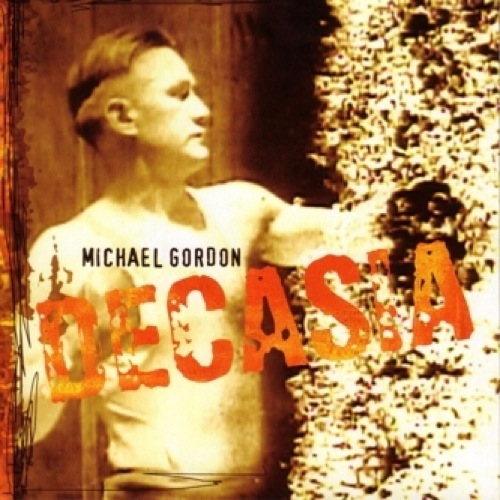
Music by Michael Gordon – Decasia
played by the Basel Sinfonietta under the direction of Kasper de Roo
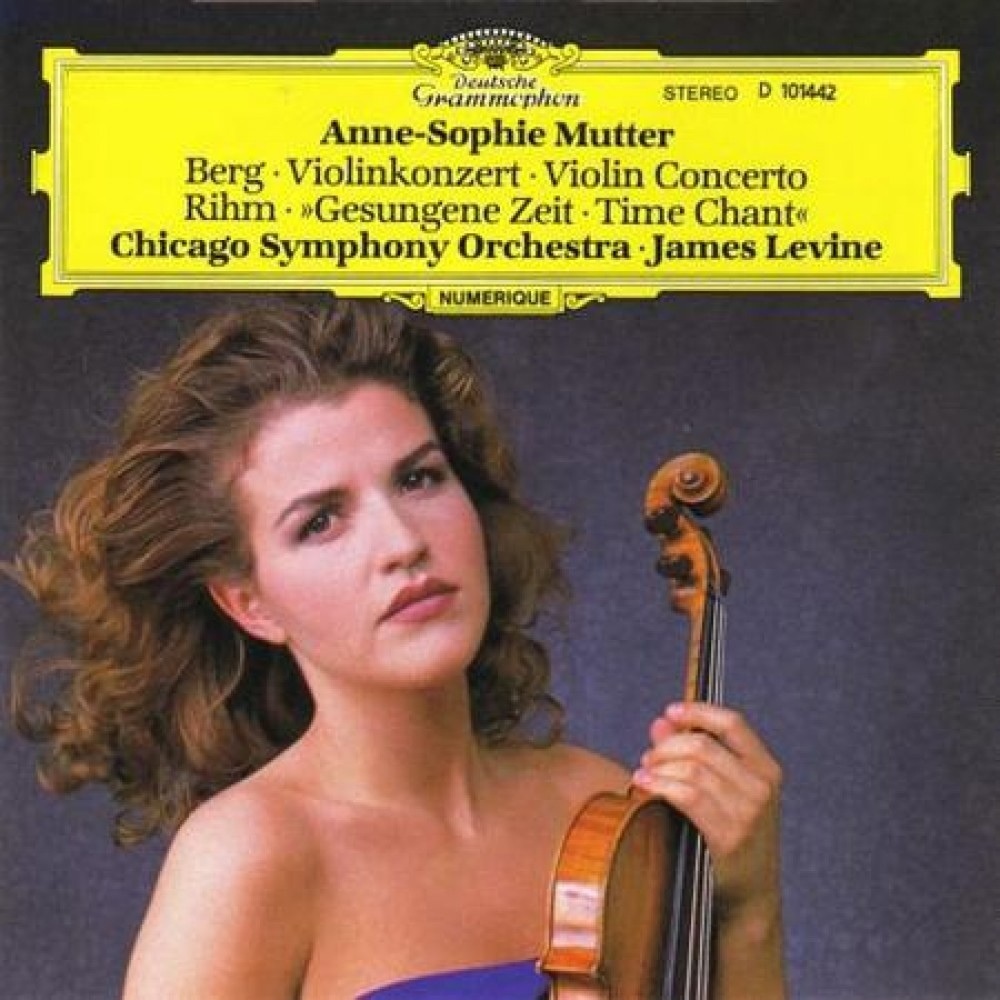
Anne-Sophie Mutter playing Alban Berg Violinkonzert “To the memory of an Angel” and “Gesungene Zeit” – “Time Change” for Violin and Orchestra by Wolfgang Rihm. James Levine conducting the Chicago Symphony Orchestra.
 winstonliauw